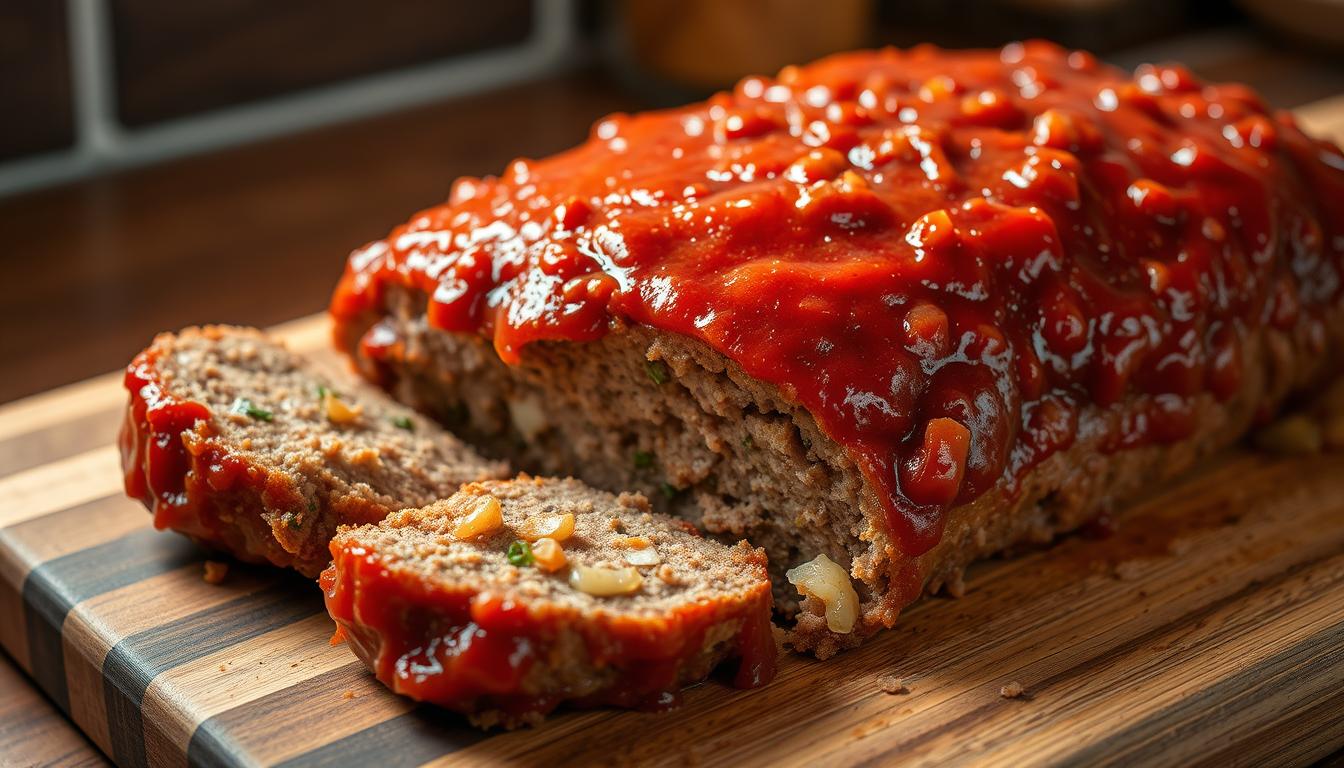
Meatloaf Recipe: Tips for Moist and Flavorful Meatloaf
There’s something special about a homemade meatloaf that brings back warm memories of family dinners. It’s a dish that’s both comforting and satisfying, making it a staple in many households.
A classic meatloaf is more than just a meal; it’s a nostalgic treat that evokes feelings of warmth and comfort. To make it truly special, it’s essential to have a reliable recipe that yields a moist and flavorful result.
This article will guide you through the tips and techniques to create the best meatloaf recipe that your family will love.
Table of Contents
The History and Evolution of Meatloaf in American Cuisine
Meatloaf’s journey in America is fascinating. It evolved from a simple dish to a national favorite. This change is rooted in its rich history, influenced by many cultures.
Origins of Meatloaf
Meatloaf’s roots go back to ancient times. People mixed ground meat with other ingredients for a bigger meal. Influences came from Germany and Scandinavia, where similar dishes were popular.
How Meatloaf Became an American Staple
European settlers brought their cooking traditions to America. Meatloaf became a hit during the Great Depression. It was cheap and filled with fillers like breadcrumbs. It became a comfort food that was both nourishing and affordable.
Regional Variations Across the United States
Meatloaf has changed in different parts of the United States. In the South, it’s often made with barbecue sauce and served with mashed potatoes. The Northeast might have a meatloaf with a ketchup glaze. These differences show local tastes and ingredients.
| Region | Meatloaf Variation | Common Ingredients |
|---|---|---|
| South | Barbecue Meatloaf | Barbecue sauce, bacon |
| Northeast | Ketchup Glazed Meatloaf | Ketchup, brown sugar |
| Midwest | Classic Comfort Meatloaf | Ground beef, breadcrumbs, eggs |
Learning about meatloaf’s history shows why it’s so loved. Whether you stick to traditional recipes or try new ones, its appeal is clear. It’s a hearty, satisfying meal that’s easy to make.
Why Meatloaf Remains a Beloved Comfort Food
Meatloaf is loved for its flexibility, affordability, and the memories it brings. It has been a favorite in American homes for many years.
Nostalgia and Family Traditions
Meatloaf reminds many of happy family dinners and special times. It’s linked with warmth, love, and a sense of home. This makes it a top pick for family meals and traditions.
Versatility and Adaptability
Meatloaf can be made in many ways, using different ingredients and cooking styles. You can stick to the classic or try new things. This flexibility lets you make a moist meatloaf that you’ll love.
Budget-Friendly Appeal
Meatloaf is also great because it’s affordable. Ground meat, the main ingredient, is cheap. This makes it perfect for those watching their budget. Plus, it’s simple to make, requiring little cooking skill.
In short, meatloaf’s lasting popularity comes from its nostalgic value, flexibility, and cost-effectiveness. These qualities make it a cherished comfort food in many homes.
Essential Ingredients for the Perfect Meatloaf
Making the perfect meatloaf starts with the right ingredients. These ingredients make it moist and full of flavor. The right mix is key for a classic meatloaf that tastes great.
Selecting the Right Meat Blend
Choosing the right meat blend is the first step. The type and quality of meat greatly affect the final taste.
Beef, Pork, and Veal Combinations
Using a mix of meats can make the flavor more interesting. Beef gives a strong taste, pork adds juiciness, and veal makes it tender. Try different mixes to find your favorite.
Ground Meat Fat Percentages
The fat in ground meat is important for a moist meatloaf. More fat (20-25%) means it’s juicier. But, too much fat can make it too greasy.
| Meat Type | Fat Percentage | Impact on Meatloaf |
|---|---|---|
| Lean Beef | 10-15% | Dense and potentially dry |
| Beef with Pork | 20-25% | Jucier and more flavorful |
| Veal and Pork | 25-30% | Tender and moist |
Binding Agents: Eggs, Breadcrumbs, and Alternatives
Binding agents keep your meatloaf together. Eggs add moisture and richness. Breadcrumbs absorb moisture and add texture. You can also use oats or crushed crackers as alternatives.
Aromatics and Vegetables for Enhanced Flavor
Aromatics like onions, garlic, and bell peppers add flavor and moisture. Sauteing them before mixing enhances their sweetness and depth.
Seasonings and Spices That Make a Difference
The right seasonings and spices can make your meatloaf amazing. Use salt, pepper, herbs, and spices like paprika. Experiment with different mixes to find your favorite.
By choosing and mixing these ingredients carefully, you can make a delicious homemade meatloaf that everyone will remember.
The Science Behind Moist Meatloaf
To make a moist meatloaf, you need to know a few key things. These elements can turn a simple dish into a culinary masterpiece.
Understanding Fat Content and Moisture
Fat in meat is key to keeping it moist. Meats with more fat stay juicier because the fat melts while cooking. This keeps the meat moist.
The Role of Binders in Texture
Binders like eggs and breadcrumbs are vital. They help the meatloaf stay together, preventing it from becoming too dense or crumbly.
How Cooking Temperature Affects Juiciness
The temperature at which you cook your meatloaf matters a lot. If it’s too hot, the outside dries out before the inside is cooked. Cooking at a moderate temperature is best for a balanced result.
Resting Time and Its Importance
Letting your meatloaf rest after cooking is important. This allows the juices to spread out, making the meatloaf tender and moist when you serve it.

| Factor | Impact on Moisture | Tips for Improvement |
|---|---|---|
| Fat Content | Higher fat content generally results in a juicier meatloaf. | Choose meat with a higher fat percentage or add ingredients that contribute to moisture. |
| Binders | Binders help maintain texture, preventing dryness. | Use eggs, breadcrumbs, or other binders effectively to hold the meatloaf together. |
| Cooking Temperature | A moderate cooking temperature prevents the outside from drying out. | Cook at a moderate temperature, and consider using a thermometer to ensure accuracy. |
| Resting Time | Allows juices to redistribute, enhancing moisture. | Let the meatloaf rest for at least 10-15 minutes before slicing. |
Classic Meatloaf Recipe: Step-by-Step Instructions
To make a classic meatloaf, follow a few simple steps. This ensures a moist and flavorful result. It’s a staple in many American homes, and with the right techniques, you can make a deliciously tender meatloaf every time.
Preparing Your Ingredients
The first step is to prepare your ingredients. You’ll need ground meats like beef, pork, or a mix of both. Also, you’ll need binders like eggs and breadcrumbs, and aromatics like onions and garlic. Chopping your vegetables finely and using fresh ingredients will enhance the flavor.
Mixing Techniques for Tender Results
When mixing your meatloaf ingredients, avoid overmixing. This can make the meatloaf dense and tough. Use your hands or a wooden spoon to gently combine the ingredients until they just come together. As Julia Child once said, “The only time to eat diet food is while you’re waiting for the steak to cook.” This method ensures your meatloaf stays tender.
Shaping and Forming Your Meatloaf
Shaping your meatloaf correctly is key for even cooking. You can use a loaf pan or shape it free-form on a baking sheet.
Loaf Pan vs. Free-Form Shaping
A loaf pan helps your meatloaf cook evenly and stay moist. But shaping it by hand gives it a crisper crust.
Creating the Perfect Thickness
Make sure your meatloaf isn’t too thick. This can cause the outside to burn before the inside is cooked. Aim for a thickness of about 2 inches for the best results.
Cooking Times and Temperature Guidelines
Cook your meatloaf at the right temperature. Preheat your oven to 375°F (190°C). The meatloaf should reach an internal temperature of 160°F (71°C) to be done. Cooking times vary, but a standard-sized loaf usually takes 45-60 minutes.
How to Tell When Your Meatloaf Is Done
The best way to check if your meatloaf is done is with a meat thermometer. Insert it into the center of the loaf. If it reads 160°F, it’s ready. Let it rest for a few minutes before slicing. This allows the juices to redistribute, making it even more tender and flavorful.
By following these steps, you’ll create a classic meatloaf that’s both moist and full of flavor. It’s perfect for a comforting family dinner.
Meatloaf Glazes and Toppings That Elevate Flavor
Make your meatloaf recipe stand out with creative glazes and toppings. A good glaze or topping can bring a new flavor to your meatloaf. It makes it a dish to remember.
Traditional Ketchup-Based Glazes
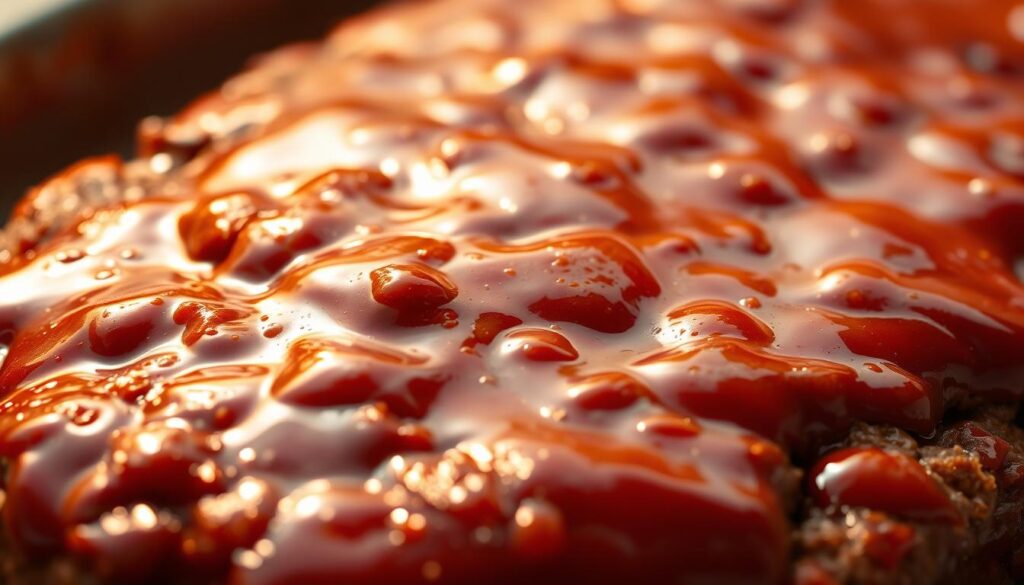
A classic ketchup glaze is a favorite for many. Mix ketchup with brown sugar, apple cider vinegar, and a bit of salt. This glaze adds a sweet and tangy taste that goes well with the meatloaf.
Savory Alternatives to Sweet Glazes
If you want something different, try savory glazes. A mix of Dijon mustard, Worcestershire sauce, and herbs like thyme or rosemary can give your meatloaf a rich, savory flavor.
When and How to Apply Glazes for Best Results
Timing is key when applying a glaze. Brush it over the meatloaf in the last 20-30 minutes of cooking. This way, the glaze caramelizes and sticks to the meatloaf, boosting its taste.
Bacon-Wrapped Meatloaf Techniques
Wrapping bacon around your meatloaf adds flavor and texture. Just wrap bacon strips around the meatloaf before baking. The bacon crisps up, giving your meatloaf a smoky taste.
| Glaze/Topping | Flavor Profile | Application Method |
|---|---|---|
| Ketchup-Based Glaze | Sweet and Tangy | Brush during last 20-30 minutes |
| Savory Mustard Glaze | Rich and Savory | Brush during last 20-30 minutes |
| Bacon-Wrapped | Smoky and Savory | Wrap before baking |
Try different glazes and toppings to make your meatloaf special. Whether you choose a traditional ketchup glaze or something new, the right topping can change everything.
Common Mistakes to Avoid When Making Meatloaf
Making a moist and tasty meatloaf can be tricky. A few common mistakes can ruin it. Knowing these mistakes helps you make a better meatloaf.
Overmixing: The #1 Enemy of Tender Meatloaf
Overmixing makes meatloaf tough and dense. It tightens the meat’s proteins. To fix this, mix ingredients just until they stick together, then stop.
Incorrect Meat-to-Filler Ratios
Using the wrong amount of filler affects your meatloaf’s texture. Too little makes it dense, too much makes it fall apart. Finding the right mix is key.
Temperature and Timing Errors
Wrong cooking temperature or time can mess up your meatloaf. It might be overcooked outside and raw inside. Use a meat thermometer to cook it right.
Skipping the Rest Period
Letting meatloaf rest after cooking is important. It makes the meat moist and flavorful. Skipping this step makes it dry and less tasty.
Inadequate Seasoning Techniques
Seasoning your meatloaf right is crucial. Just seasoning the surface isn’t enough. Season the meat as you mix it for even flavor.
Avoiding these mistakes can make your meatloaf better. It will be moist, flavorful, and a great meal choice.
Creative Variations on Traditional Meatloaf
Meatloaf can be made in many new ways. You can try different ingredients and methods. This makes it both familiar and excitingly new.
International Flavors and Fusion Meatloaf
Adding international flavors to meatloaf can be thrilling. Here are a few ideas:
Italian-Style Meatloaf
Use Italian seasoning, Parmesan cheese, and sun-dried tomatoes for an Italian twist. Serve it with marinara sauce for a real Italian taste.
Mexican-Inspired Meatloaf
For a spicy flavor, mix in taco seasoning, chopped jalapeños, and cheddar cheese. Top it with salsa and sour cream for a tasty finish.
Asian Fusion Variations
For an Asian taste, add soy sauce, ginger, and garlic to your meatloaf. Top it with scallions and sesame seeds for more flavor.
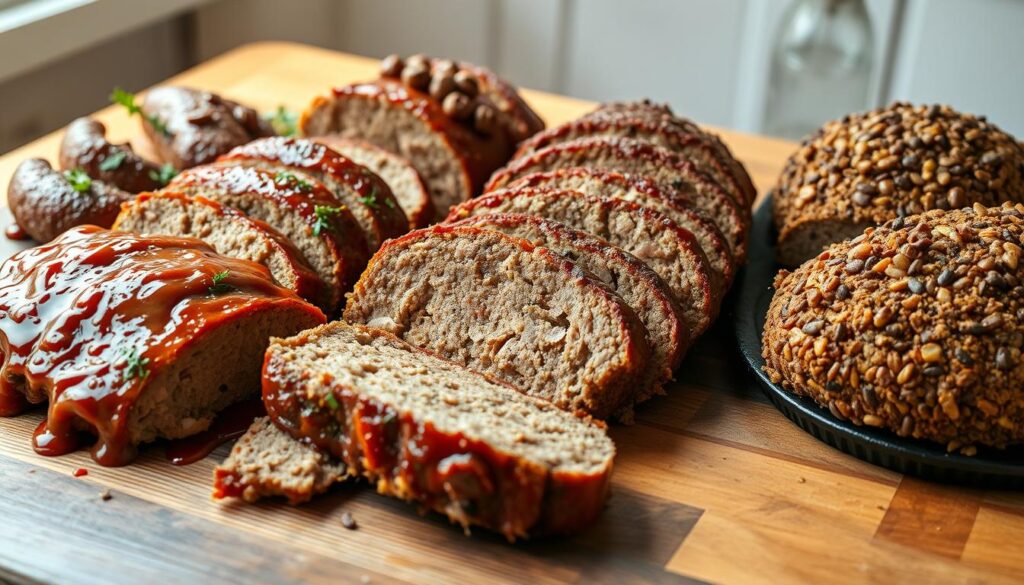
Healthier Meatloaf Alternatives
Looking for a healthier meatloaf? Try using lean meats like turkey or chicken. Adding more veggies and whole grains boosts nutrition.
Tips for a healthier meatloaf:
- Use lean meats
- Add more vegetables
- Incorporate whole grains
- Reduce the amount of salt and sugar
Stuffed Meatloaf Ideas
Stuffing your meatloaf with ingredients adds flavor. Try using cheese, herbs, or other meats.
“The possibilities are endless when it comes to stuffing your meatloaf,” says a seasoned chef. “You can get creative with different combinations to find your favorite.”
Mini Meatloaves and Alternative Shapes
Mini meatloaves are great for individual servings. They’re just as tasty as a big one. You can also try shapes like meatloaf muffins or a ring.
As Julia Child once said,
“The only time to eat diet food is while you’re waiting for the steak to cook.” Meatloaf, in its various forms, is definitely worth enjoying.
Best Side Dishes to Serve with Your Meatloaf
The perfect sides can make a simple meatloaf unforgettable. When you’re planning your popular meatloaf recipe, think about what will go well with it. The right sides can really bring out the meatloaf’s flavor.
Classic Pairings: Mashed Potatoes and Vegetables
Classic sides like mashed potatoes and steamed veggies are always a hit. They soak up the meatloaf’s juices, making the meal even better.
Modern Accompaniments for Meatloaf
For something new, try pairing your moist meatloaf with roasted veggies, quinoa salad, or garlic bread. These options add variety and texture, making your meal more exciting.
Complete Meal Planning Around Meatloaf
Good meal planning balances flavors and textures. Pair the meatloaf with lighter, fresher sides like a green salad or sautéed spinach. This contrast makes the meal more interesting.
Wine and Beverage Pairings
The right drink can really enhance your meatloaf’s taste. For traditional meatloaf, a red wine like Merlot or Cabernet Sauvignon is great. But, a craft beer or sparkling drink can also be a good choice.
Choosing the right sides and drinks can make your meatloaf dinner memorable. It’s all about creating a balanced and enjoyable meal.
Storing, Freezing, and Reheating Meatloaf
To enjoy your homemade meatloaf more, learning how to store and reheat it is key. Whether you have leftovers or are planning ahead, knowing how to keep your meatloaf safe and tasty is important.
Proper Storage for Leftover Meatloaf
Let your meatloaf cool down completely before putting it in an airtight container in the fridge. It’s best eaten within three to four days. If you want to keep it longer, freezing is a good option.
Freezing Techniques for Make-Ahead Meals
To freeze your meatloaf, wrap it in plastic wrap or foil and put it in a freezer-safe bag. Make sure to label and date the bag. Store it in the freezer for up to three months. When you’re ready to eat it, thaw it in the fridge overnight.
Reheating Methods That Maintain Moisture
Reheat your meatloaf in the oven at 350°F (175°C). Cover it with foil to keep it moist. You can also reheat slices in the microwave. Use a microwave-safe dish and cover it with a lid or plastic wrap.
Food Safety Considerations
Always reheat your meatloaf to 165°F (74°C) for safety. Use a food thermometer to check the temperature, which is crucial when reheating.
Conclusion: Mastering the Art of Homemade Meatloaf
Learning to make homemade meatloaf is about knowing its history, key ingredients, and cooking methods. It’s also about trying new things. By mixing these, you can make a meatloaf that’s both juicy and tasty. The secret is balancing the ingredients, cooking it right, and letting it rest.
Meatloaf is both an art and a science. You can make it your own by trying different ingredients and methods. This article has given you the tools to make a delicious meatloaf, whether it’s traditional or something new.
Now, it’s time to start cooking. Try different recipes and add your own twist. With practice, you’ll become an expert at making a delicious meatloaf. It will soon become a favorite in your family.