Delicious French Toast: A Step-by-Step Recipe
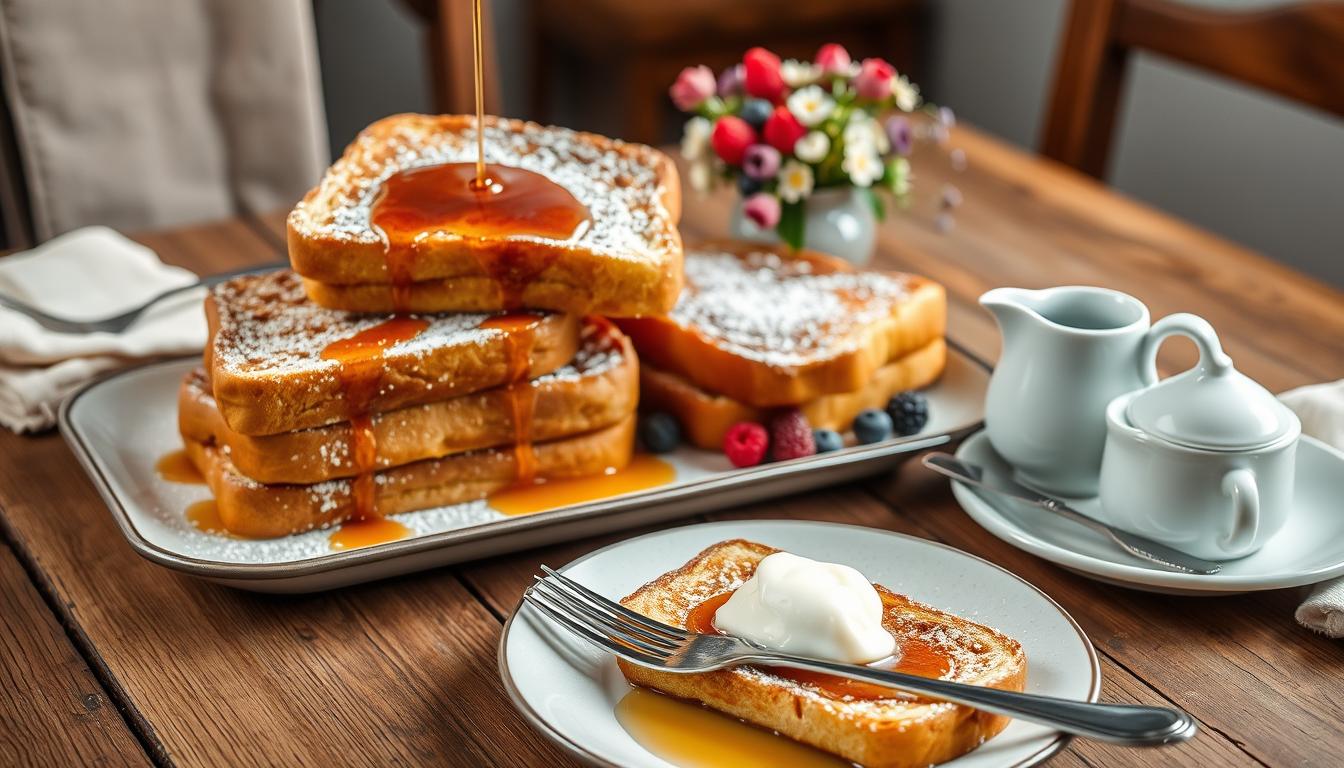
Imagine starting your day with a warm, comforting plate of golden-brown goodness. You take a bite, and the sweetness of the cinnamon and the richness of the eggs melt together. This is the magic of a well-made breakfast treat that has become a staple in many households.
You can easily recreate this delightful experience in your own kitchen. All you need is a few ingredients, including eggs, milk, and bread. In this article, we’ll guide you through a step-by-step process to make easy french toast that’s sure to become a family favorite.
Table of Contents
The History and Origins of French Toast
French toast has been a favorite breakfast dish for centuries. Its origins date back to medieval Europe. It has a rich history that spans many years.
Ancient Beginnings of French Toast
In ancient Rome, people soaked bread in eggs and milk, then fried it. This early version was different from today’s cinnamon French toast. But it started the journey of French toast. As time went on, European cuisine made it even better, using local ingredients and cooking methods.
How French Toast Became a Breakfast Staple
In the Middle Ages, French toast became popular to use up stale bread. It was simple yet tasty, becoming a common dish in homes. Over the years, it changed, with different areas adding their own touches. Sweet toppings like sugar and fruit made it a hit, often paired with bacon or sausage.
Regional Variations Around the World
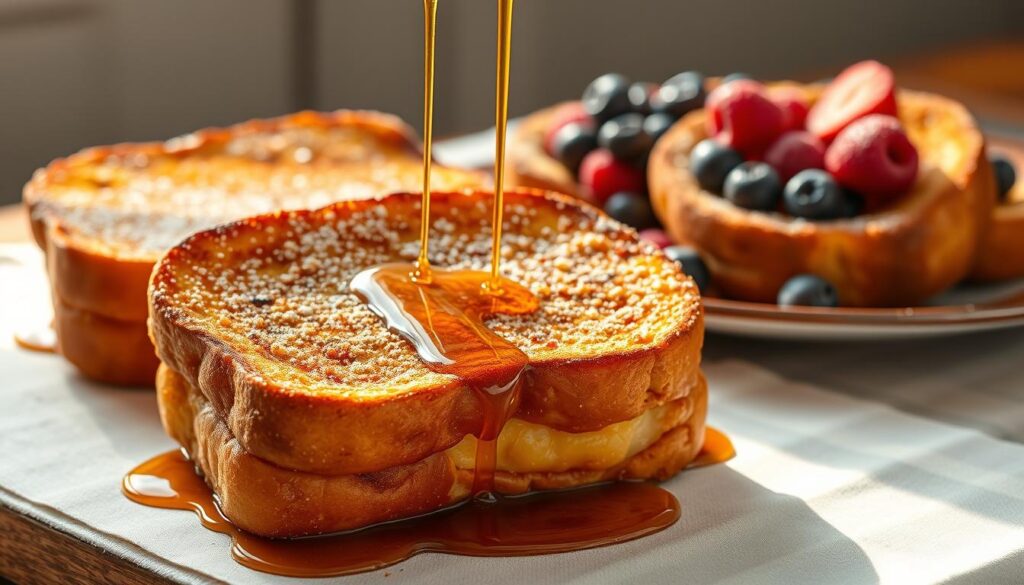
As people moved and cuisines mixed, French toast spread globally. In the U.S., classic French toast is often topped with maple syrup. In France, it’s “pain perdu” and might include brandy. French toast’s flexibility has made it a favorite everywhere, with each place adding its own twist.
| Region | Variation | Typical Toppings |
|---|---|---|
| United States | Classic French Toast | Maple syrup, butter, fresh fruits |
| France | Pain Perdu | Brandy, sugar, cinnamon |
| Spain | Torrija | Honey, cinnamon, citrus zest |
Essential Ingredients for Perfect French Toast
Great French toast starts with a few key ingredients. You’ll need bread, eggs, and milk. Plus, some extra ingredients to boost the flavor.
Bread Selection: Finding the Ideal Base
Choosing the right bread is key for amazing French toast. The bread you pick greatly affects the taste.
Best Types of Bread for French Toast
The best types of bread for French toast are rich and dense. Challah and brioche are top choices because of their egg content and soft texture.
| Bread Type | Characteristics | Rating |
|---|---|---|
| Challah | Rich, dense, egg-based | 9/10 |
| Brioche | Tender, rich, slightly sweet | 9/10 |
| Baguette | Crusty, chewy interior | 7/10 |
Freshness vs. Stale Bread Debate
There’s a debate on whether to use fresh or stale bread for French toast. Stale bread is often better because it soaks up the egg mixture without falling apart.
Egg Mixture Components
The egg mixture is crucial for French toast. It’s made of eggs, milk, and flavorings.
Egg-to-Milk Ratio
Getting the egg-to-milk ratio right is important. Use 2 eggs for every 1 cup of milk. You can adjust this based on how many slices you’re making.
Essential Spices and Flavorings
Adding essential spices and flavorings like cinnamon, vanilla, and nutmeg can make your French toast better. These add depth and warmth.
Optional Flavor Enhancers
To make your French toast even better, try adding optional flavor enhancers. Orange zest, cocoa powder, or liqueurs like Grand Marnier can be great additions.
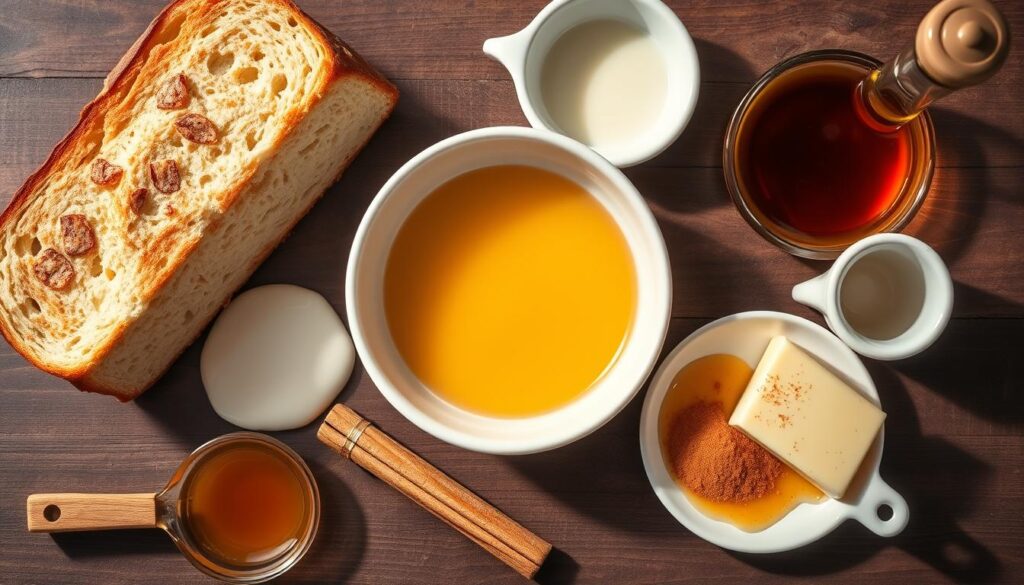
By picking the right ingredients and knowing their roles, you can make amazing French toast.
Kitchen Tools You’ll Need
The right kitchen tools are key to making perfect French toast. You’ll need basic equipment to ensure your French toast is delicious and evenly cooked.
Basic Equipment Requirements
You’ll need a few essential tools to start. A non-stick skillet or griddle is crucial. It prevents the bread from sticking and makes flipping easier.
Pan Selection and Heat Sources
Choose a pan based on your heat source. Non-stick skillets work well on stovetops. Griddles are best for electric stovetops or countertop electric griddles. Make sure your pan is big enough for multiple slices.
Mixing and Dipping Containers
You’ll need a shallow dish for the egg mixture. This makes dipping bread easy. A mixing bowl is also necessary for whisking eggs, milk, and flavorings.
Nice-to-Have Tools for Easier Preparation
Some tools are nice but not essential. A spatula with a thin edge helps with flipping. A timer ensures you don’t overcook your toast.
| Tool | Purpose |
|---|---|
| Non-stick Skillet or Griddle | Cooking French toast |
| Shallow Dish | Dipping bread in egg mixture |
| Mixing Bowl | Whisking egg mixture |
The Ultimate French Toast Recipe: Step-by-Step Instructions
To make the perfect French toast, follow these steps. It’s more than just dipping bread in eggs and milk. It’s about technique, quality, and patience.
Preparing Your Ingredients
First, gather all your ingredients. Slice your bread into thick pieces, about 1 inch thick. If using day-old bread, let it soften at room temperature.
Crack eggs into a bowl. Whisk them with milk, adding a pinch of salt and spices like cinnamon or nutmeg.
Creating the Perfect Egg Mixture
The egg mixture is crucial. Whisk eggs, milk, and a pinch of salt until smooth. Add vanilla extract or sugar for extra flavor. The mixture should coat the back of a spoon.
Soaking Technique
Dip each bread slice into the egg mixture, coating both sides. Let it soak for a few seconds on each side. Aim for a good coat without making it soggy. Adjust soaking time for absorbent bread.
Cooking to Golden Perfection
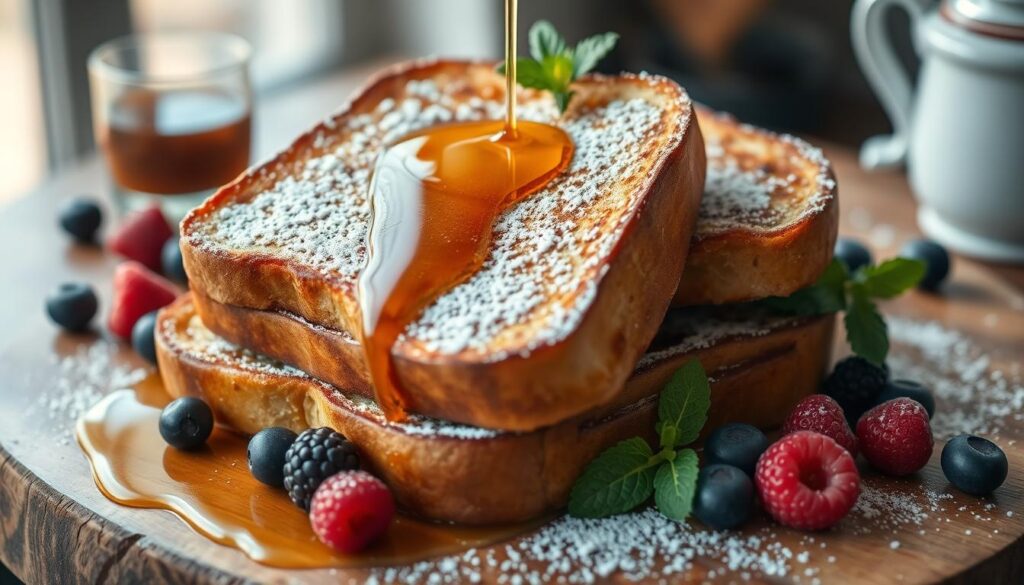
Heat a non-stick skillet or griddle over medium heat. Add butter to prevent sticking and add flavor. Cook soaked bread slices until golden brown, 3-4 minutes per side. Serve hot with your favorite toppings.
Common Mistakes to Avoid When Making French Toast
To enjoy the perfect slice of French toast, avoid common errors. Making French toast is simple, but mistakes can ruin it. By knowing and avoiding these mistakes, you can make amazing French toast that impresses everyone.
Bread-Related Pitfalls
The foundation of great French toast is the bread. The wrong type or thickness can ruin it.
Using the Wrong Type of Bread
Wrong bread can change the texture of your French toast. Choose a bread with substance, like brioche or challah. They soak up the egg mixture well and cook perfectly.
Improper Bread Thickness
Bread that’s too thin gets soggy, while too thick doesn’t cook right. Go for slices that are 1-1.5 inches thick for the best result.
Egg Mixture Mistakes
The egg mixture makes French toast rich and flavorful. But, mistakes in making it can mess things up.
Insufficient Soaking Time
If bread soaks too little, it won’t absorb flavors well. Make sure each slice soaks evenly for a few seconds on each side.
Unbalanced Flavors
Too much or too little of any ingredient in the egg mixture can ruin the taste. Taste your egg mixture before soaking the bread to get it just right.
Cooking Temperature Errors
The right cooking temperature is key to perfect French toast.
Too Hot or Too Cold
A skillet that’s too hot burns the toast before it’s cooked inside. A skillet that’s too cold makes it soggy. Medium heat is usually best for French toast.
Uneven Cooking
Not cooking the French toast evenly can cause uneven browning. Watch your toast and flip it when it’s golden. A thermometer helps keep the skillet at the right temperature.
Knowing these common mistakes and avoiding them will help you make delicious French toast every time.
Delicious Variations of French Toast
French toast can be simple or fancy, perfect for breakfast or dessert. You can try new ingredients, cooking ways, and styles to make your own special French toast.
French Toast Sticks for Kids and Dipping
French toast sticks are a fun twist on the classic breakfast dish, perfect for kids and adults alike. They are easy to make and can be served with a variety of dipping sauces.
Cutting and Preparation
To make French toast sticks, simply cut your bread into strips before dipping them in the egg mixture. This format makes them ideal for dipping into syrup, honey, or fresh fruit sauces.
Dipping Sauce Ideas
Some popular dipping sauces for French toast sticks include maple syrup, Nutella, and fruit preserves. You can also try yogurt-based sauces or honey with a sprinkle of cinnamon for a delicious treat.
Overnight French Toast Casserole
An overnight French toast casserole is a convenient and delicious breakfast or brunch option. It allows you to prepare the dish ahead of time and bake it in the morning.
Make-Ahead Instructions
To prepare an overnight French toast casserole, assemble the ingredients in a baking dish, cover it, and refrigerate overnight. In the morning, bake it in the oven until golden brown.
Baking Tips
When baking your overnight French toast casserole, ensure it’s cooked through and the top is nicely browned. You can also add toppings like fresh fruits or nuts before baking for extra flavor.
Stuffed French Toast Ideas
Stuffed French toast offers a creative way to enjoy this classic dish with added fillings. You can choose from a variety of sweet or savory options to suit your taste.
Sweet Fillings
Popular sweet fillings for stuffed French toast include cream cheese, fruit jam, and Nutella. These add a delicious surprise in the middle of your French toast.
Savory Options
For a savory twist, consider fillings like ham and cheese or spinach and feta. These make for a satisfying breakfast or brunch.
International French Toast Variations
French toast is enjoyed in many cultures around the world, each with their own unique twists. From the Japanese-style “Omurice” to the Mexican “Torrejas,” there’s a world of flavors to explore.
You can experiment with different ingredients and cooking techniques to create your own unique French toast variations. Whether you’re looking for a fun breakfast for kids or an elegant dessert, French toast is a versatile dish that can be adapted to any occasion.
Top French Toast Toppings and Serving Suggestions
Make your French toast special with the right toppings. The perfect mix can turn a simple meal into a delightful experience. You can choose from classic and sweet to adventurous and gourmet toppings.
Classic Sweet Toppings
Classic sweet toppings are loved for a reason. They bring a comforting flavor to your French toast.
Syrups and Honey
Try maple syrup or other syrups like caramel or vanilla on your French toast. Honey is also great, offering a unique sweetness.
Powdered Sugar and Butter
A sprinkle of powdered sugar adds sweetness without being too much. Add a pat of butter for a creamy flavor.
Fruit and Nut Combinations
Fruit and nut toppings add freshness and crunch to your French toast.
Fresh Seasonal Fruits
Use fresh seasonal fruits like strawberries, blueberries, or bananas. They contrast nicely with the toast’s richness.
Nut Butters and Chopped Nuts
Spread peanut butter or almond butter on your toast. Sprinkle chopped nuts for extra crunch.
Creative Gourmet Toppings
For a unique twist, try gourmet toppings on your French toast.
Homemade Compotes and Sauces
Make your own homemade compotes with fruits like berries or apples. Or, create a rich chocolate sauce for drizzling.
Unexpected Savory Pairings
Pair your French toast with savory items like crispy bacon, caramelized onions, or parmesan cheese. It’s a unique twist.
Trying new toppings keeps your French toast exciting. Whether you prefer classic or gourmet, there’s always something new to try.
Dietary Adaptations: Making French Toast for Everyone
You can enjoy French toast, no matter your dietary needs. Just make a few simple changes. Whether you’re gluten-free, vegan, or counting calories, there are many ways to make this breakfast dish work for you.
Gluten-Free French Toast
For those with gluten intolerance, making gluten-free French toast is easy. The trick is choosing the right bread.
Gluten-Free Bread Options
Opt for a gluten-free bread that’s sturdy. Look for bread made from rice, almond, or coconut flour. Brands that focus on gluten-free products are a good choice.
Texture Considerations
Gluten-free bread is delicate. So, handle it gently when soaking and flipping. Adjust the soaking time to avoid it falling apart.
Vegan French Toast Alternatives
Vegans can enjoy French toast with a few swaps.
Egg Replacers
Use flaxseed meal mixed with water or mashed banana as egg substitutes. They help the mixture stick together without animal products.
Plant-Based Milk Options
Try different plant-based milks like almond, soy, or oat milk. They make the French toast batter creamy.
Low-Calorie and Healthier Options
Want to make French toast healthier? There are several ways to do it.
Reducing Sugar Content
Use less sugar in your egg mix or opt for honey or maple syrup in small amounts.
Protein-Boosted Versions
Add protein powder to your egg mix or top with nuts or seeds. This adds extra protein.
Conclusion: Mastering the Art of French Toast
Now you know the basics of making French toast. It’s time to practice and try new things. Experiment with stuffed French toast or French toast sticks to keep your breakfast exciting.
Keep improving your French toast recipe. Don’t be shy to try new toppings and ingredients. From maple syrup to fresh fruit and nuts, there’s a lot to explore. By mixing and matching, you’ll master French toast in no time.
Making great French toast takes practice and patience. Follow the tips from this article to make a delicious breakfast. So, give French toast a try and enjoy the journey of mastering this classic breakfast dish.