How to Make the Best Mac ‘n’ Cheese at Home
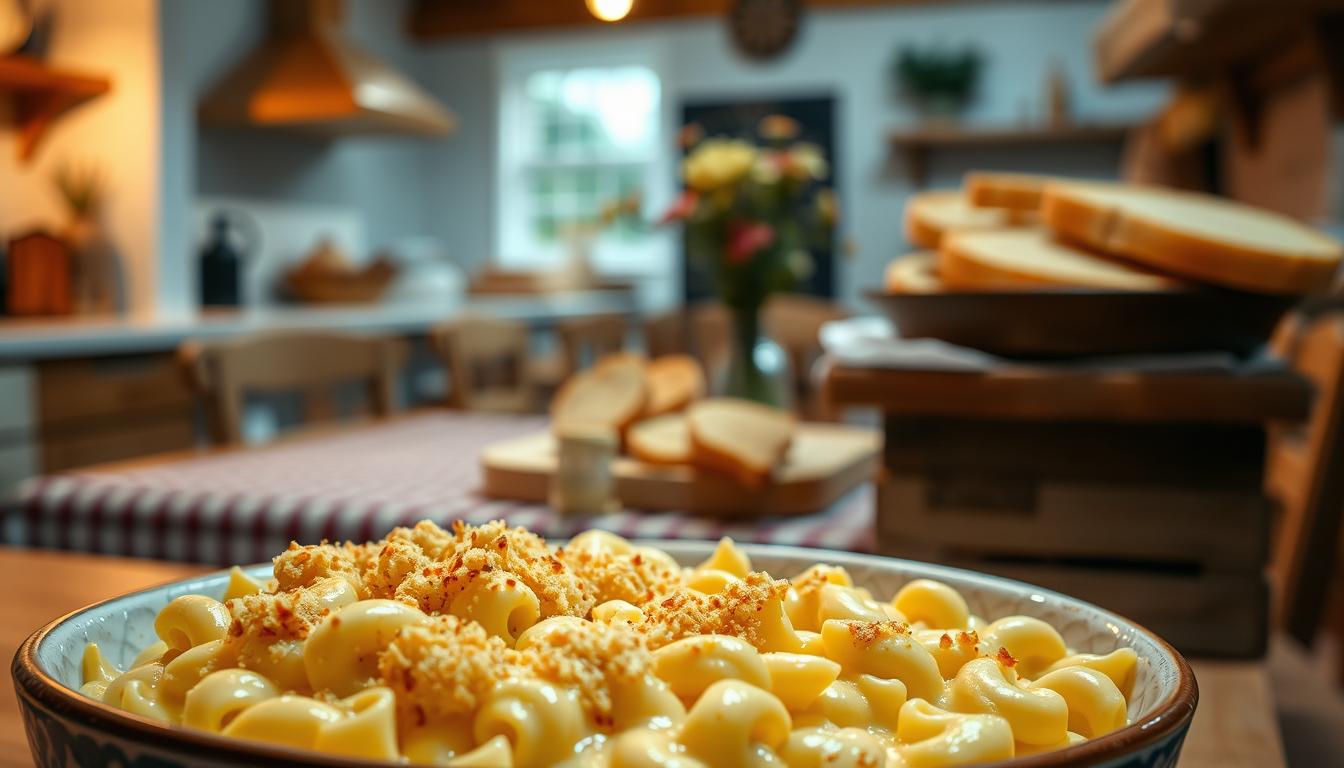
A warm, creamy bowl of homemade mac and cheese is incredibly comforting. It brings back memories of childhood, family gatherings, and cozy nights. For many, it’s more than a meal; it’s a comfort food that offers solace and satisfaction.
To make the best mac ‘n’ cheese at home, you need a few simple ingredients and some smart techniques. Choosing the right pasta and cheese, and making a smooth, creamy sauce, can turn this classic dish into a culinary masterpiece.
Table of Contents
The Enduring Comfort of Mac ‘n’ Cheese
For many, mac ‘n’ cheese is more than a meal; it’s a warm, comforting memory. This dish has a long history, loved for its taste and the memories it brings.
A Brief History of America’s Favorite Pasta Dish
Macaroni and cheese started in 18th-century Europe, enjoyed by the elite. When European settlers came to America, the dish changed, becoming a comfort food. It became popular during the Great Depression because it was cheap and filling.
| Era | Significance of Mac ‘n’ Cheese |
|---|---|
| 18th Century | Introduced by European settlers as a luxurious dish |
| Great Depression | Became a staple due to its affordability and filling nature |
| Modern Times | Gourmet variations and nostalgic appeal continue its popularity |
Why Mac ‘n’ Cheese Remains a Beloved Comfort Food
Mac ‘n’ cheese is loved for its creamy texture and the memories it brings. It’s enjoyed by all ages. Its versatility means there are endless ways to make it, keeping it a favorite.
Exploring mac ‘n’ cheese shows its comfort isn’t just in taste. It’s in the memories and warmth it brings to all who enjoy it.
Essential Ingredients for Perfect Mac ‘n’ Cheese
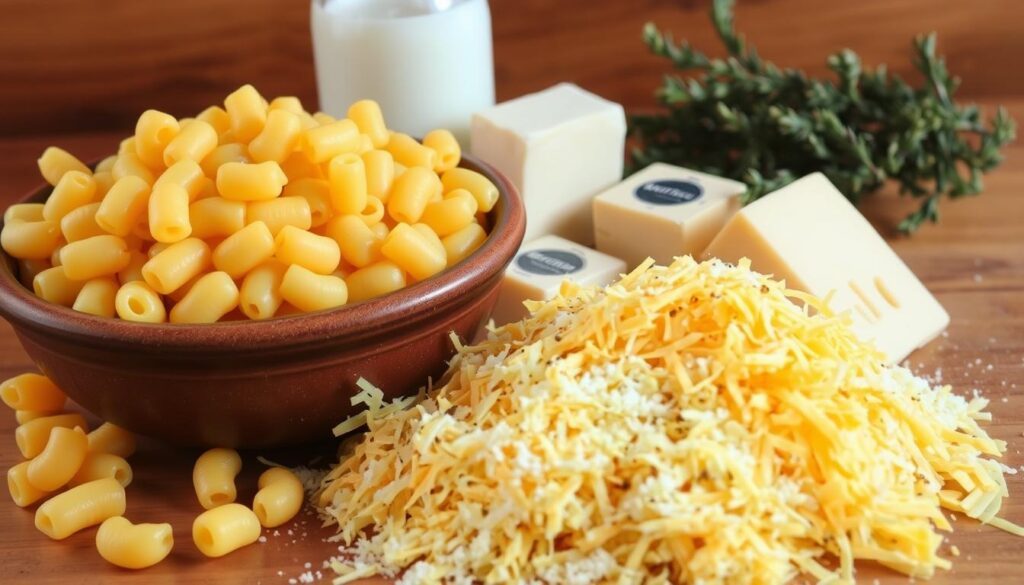
The key to a great mac ‘n’ cheese is its main parts: pasta, cheese, and other ingredients. Knowing how each part works is key to making a top-notch dish.
Selecting the Ideal Pasta Shape and Type
Picking the right pasta is the first step. Traditional elbow macaroni is a favorite, but other shapes can also be good.
Traditional Elbow Macaroni vs. Alternative Shapes
Elbow macaroni is a top pick because of its tube shape. It grabs onto cheese sauce well. But, shapes like cavatappi or shells can mix things up in your mac ‘n’ cheese.
Pasta Cooking Techniques for Optimal Texture
Cooking pasta al dente is key. It keeps some firmness, making the dish’s texture better.
The Best Cheese Combinations
Using a mix of cheeses is often better than one type. Sharp cheddar is a common base, giving a rich, tangy taste.
Sharp Cheddar: The Classic Foundation
Sharp cheddar brings a deep flavor that’s key to traditional mac ‘n’ cheese.
Complementary Cheeses for Depth of Flavor
Adding sharp cheddar with cheeses like Gruyère or Parmesan makes the flavor richer. It adds complexity and depth.
Supporting Ingredients
Ingredients like spices, herbs, and extra elements can make your mac ‘n’ cheese better. They add texture or flavor.
Equipment and Tools for Mac ‘n’ Cheese Success
The secret to a great mac ‘n’ cheese is not just in what you put in it. It’s also about the tools you use. The right equipment makes the process easier and the taste better.
Essential Kitchen Equipment
You’ll need some basic kitchen tools to begin. A large pot is key for boiling pasta. A colander is needed to drain it. For the cheese sauce, a medium saucepan is perfect.
A wooden spoon or silicone spatula is essential for stirring. It helps with both the pasta and the sauce.
Optional Specialized Tools
While not essential, some tools can make your mac ‘n’ cheese even better. They help in making the sauce smoother or the top perfectly baked.
Immersion Blenders and Food Processors
An immersion blender is handy for blending the cheese sauce right in the pan. It makes the sauce smooth and creamy. A food processor can also be used. It grates cheese finely or blends the sauce for a silky texture.
Cast Iron Skillets and Specialty Bakeware
For baked mac ‘n’ cheese, a cast iron skillet creates a tasty crust. Specialty bakeware, like a ceramic baking dish, helps get a golden-brown top.
With these tools, you’re ready to make an easy mac and cheese recipe that will wow everyone. Whether it’s a simple stovetop dish or a fancy baked mac ‘n’ cheese, the right tools ensure homemade mac and cheese perfection.
The Science Behind Creamy Mac ‘n’ Cheese
Making the perfect mac ‘n’ cheese is more than just a recipe. It’s about knowing the science behind it. The creaminess comes from how ingredients mix, not just adding lots of cheese.
Understanding Starch and Cheese Emulsification
Pasta’s starch absorbs the cheese sauce well. Cheese needs to be emulsified to stay together. Starch gelatinization happens when pasta cooks, making it ready for the sauce. Emulsification comes from mixing cheese with a roux or using sodium citrate, creating a smooth sauce.
The Role of Fat in Texture Development
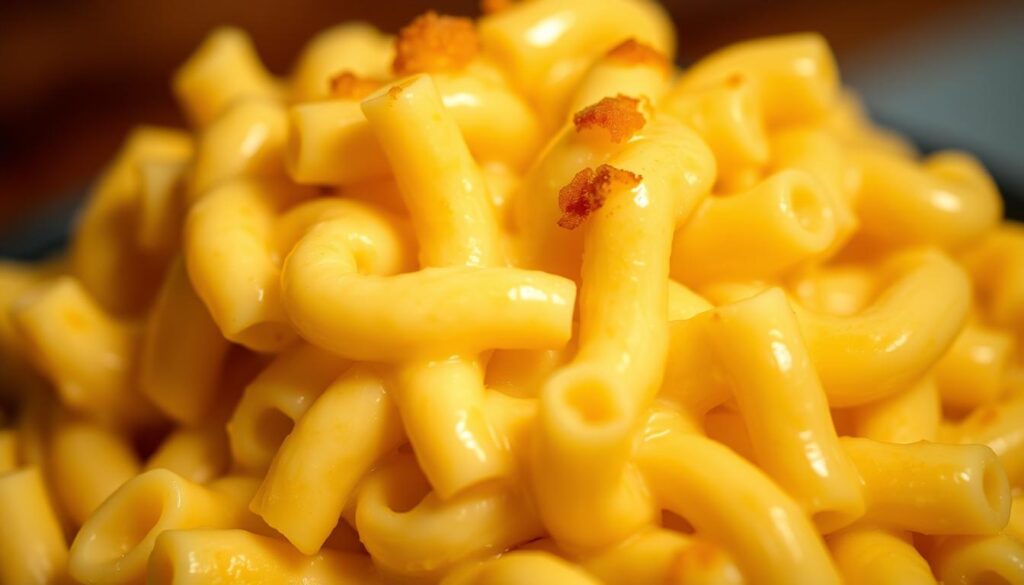
Fat greatly influences mac ‘n’ cheese texture. Cheeses with more fat melt better, making it creamier. Finding the right mix of fat, protein, and starch is key for the perfect consistency.
pH Balance and Its Effect on Cheese Melting
The pH of the cheese sauce affects melting. A slightly acidic environment helps cheese melt better. But, too high or low pH can ruin the texture. Knowing this balance is essential for a creamy mac ‘n’ cheese.
Classic Stovetop Mac ‘n’ Cheese Recipe
For many, a warm, creamy bowl of stovetop mac ‘n’ cheese is the ultimate comfort food. It’s a classic dish loved by many. It’s easy to make, needs just a few ingredients, and everyone loves it.
Ingredient Measurements and Preparation
To make a delicious stovetop mac ‘n’ cheese, you’ll need the following ingredients:
- 8 oz macaroni
- 2 cups milk
- 2 cups grated cheddar cheese
- 1 cup grated mozzarella cheese
- 1/4 cup all-purpose flour
- 1/2 teaspoon salt
- 1/4 teaspoon black pepper
- 2 tablespoons butter
Step-by-Step Cooking Process
Creating the Perfect Roux
First, cook your macaroni until it’s al dente. Then, melt butter in a saucepan over medium heat. Add flour and whisk until it’s a smooth, light brown paste – your roux.
Incorporating Cheese for Maximum Smoothness
Pour in the milk slowly, whisking constantly to avoid lumps. Let it simmer until it thickens. Then, remove it from heat and stir in the cheddar and mozzarella cheese until smooth. Season with salt and pepper to taste.
Tips for Achieving Ideal Consistency
The key to a great stovetop mac ‘n’ cheese is the right consistency. If it’s too thick, add a bit more milk. If it’s too thin, simmer it for a few more minutes. Here’s a quick reference table to help you adjust the consistency:
| Consistency | Adjustment |
|---|---|
| Too Thick | Add milk |
| Too Thin | Simmer longer |
By following these steps and tips, you’ll make a delicious, creamy stovetop mac ‘n’ cheese. It’s sure to become a family favorite.
Baked Mac ‘n’ Cheese Variations
Baked mac ‘n’ cheese is a versatile dish that can be customized to suit any taste. It ranges from classic comfort food to gourmet delights. This flexibility makes it a perfect canvas for culinary creativity.
Traditional Breadcrumb-Topped Baked Mac ‘n’ Cheese
The classic breadcrumb topping adds a satisfying crunch to your baked mac ‘n’ cheese. To achieve this, simply mix breadcrumbs with melted butter. Sprinkle over your macaroni and cheese before baking.
Southern-Style Egg-Based Mac ‘n’ Cheese
Southern-style baked mac ‘n’ cheese often incorporates eggs, creating a custard-like texture. This method involves mixing beaten eggs with your macaroni and cheese mixture before baking. It results in a rich and creamy dish.
Crispy-Edged Cast Iron Skillet Method
Using a cast iron skillet to bake your mac ‘n’ cheese can yield a beautifully crispy edge. Preheat your skillet in the oven before adding the macaroni and cheese mixture. Bake at a high temperature to achieve the perfect crust.
Temperature and Timing Considerations
When baking mac ‘n’ cheese, temperature and timing are crucial. A higher temperature can create a crispy top, but be careful not to overcook. Typically, baking at 375°F (190°C) for 20-30 minutes is ideal.
Creating the Perfect Crust
To create the perfect crust, consider topping your mac ‘n’ cheese with additional cheese or breadcrumbs before baking. Broiling for a minute or two at the end can also enhance browning, but watch closely to avoid burning.
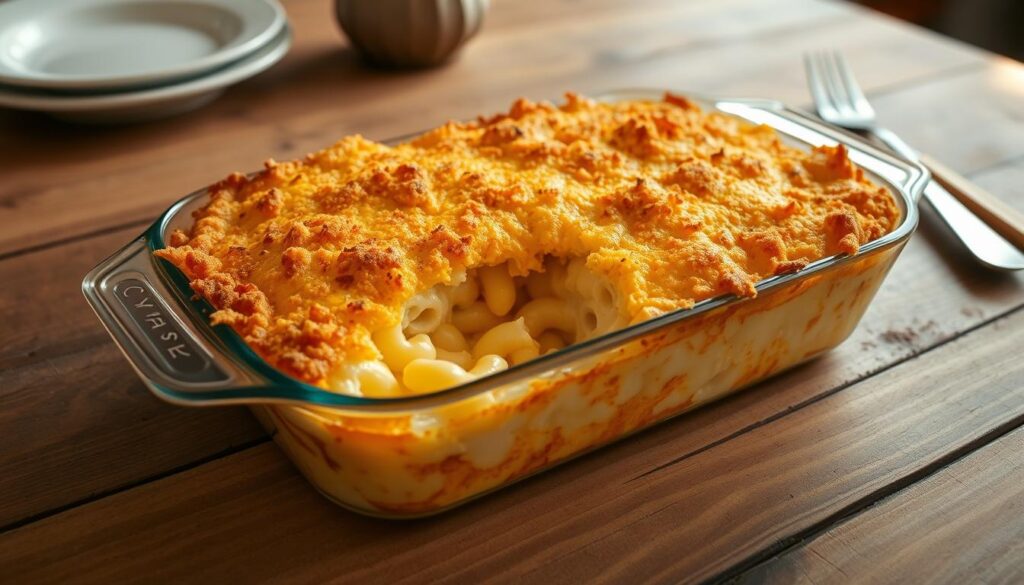
Experimenting with different baked mac ‘n’ cheese variations can help you find your perfect comfort dish. Whether you prefer a classic breadcrumb topping or a more innovative approach, the key to a great baked mac ‘n’ cheese is balancing creaminess with a satisfying crunch.
Mastering the Ultimate Mac ‘n’ Cheese Sauce
The secret to amazing mac ‘n’ cheese is its sauce. With the right techniques, you can make a sauce that’s creamy and full of flavor. This is what makes mac ‘n’ cheese so loved by many.
Roux-Based Sauce Technique
Making a roux-based sauce is a classic way to create mac ‘n’ cheese. You start by mixing butter with flour to make a roux. Then, you slowly add milk or cream until it reaches the perfect consistency.
Flour-to-Butter Ratios
The ratio of flour to butter is key in a roux-based sauce. Use equal parts of flour and butter by weight. This ensures the sauce thickens well without tasting raw.
Cooking Time and Temperature Control
Cooking the roux right is important. For a white roux, cook it until it’s lightly golden. For a richer flavor, cook it darker, but avoid burning it.
Sodium Citrate Method for Ultra-Smooth Sauce
For a super smooth sauce, try using sodium citrate. It helps mix the cheese, making the sauce silky and smooth.
Troubleshooting Common Sauce Problems
- Lumpy Sauce: Whisk constantly when adding milk or cream to the roux. Heat it slowly.
- Too Thick or Too Thin: Fix the consistency by adding more milk or cooking it longer.
Mastering these techniques will help you make the ultimate mac ‘n’ cheese sauce. Your dish will reach new heights of deliciousness.
Healthier Mac ‘n’ Cheese Alternatives
Mac ‘n’ cheese is a classic comfort food. You can make it healthier without losing its taste. By using nutritious ingredients and smart substitutions, you can have a guilt-free version.
Lower-Calorie Ingredient Substitutions
To make mac ‘n’ cheese healthier, swap high-calorie ingredients for lower-calorie ones. Use low-fat cheese and reduced-fat milk to cut calories. Also, choose whole wheat pasta for more fiber.
Vegetable-Boosted Mac ‘n’ Cheese
Adding veggies to mac ‘n’ cheese boosts nutrition and flavor. Cauliflower and butternut squash make great creamy bases. Blend them into the cheese sauce or mix in for extra nutrition.
Cauliflower and Butternut Squash Bases
Using cauliflower or butternut squash as a base cuts calories but keeps it creamy. Just cook and blend these veggies with cheese and spices.
Hidden Vegetable Techniques
If you don’t want to add veggies openly, there are ways to hide them. Mix finely chopped or pureed veggies into the cheese sauce. This adds nutrition without changing the taste.
Gluten-Free and Dairy-Free Options
For those with dietary restrictions, there are gluten-free and dairy-free options. Use gluten-free pasta and dairy-free cheese to make mac ‘n’ cheese for everyone.
As
“The key to a healthier mac ‘n’ cheese lies in balance and creativity.”
With a few tweaks, you can enjoy this comfort food while meeting different dietary needs.
Gourmet Mac ‘n’ Cheese Add-Ins and Toppings
Take your mac ‘n’ cheese to the next level with gourmet add-ins and toppings. These luxurious ingredients and creative touches turn a simple dish into a fancy meal.
Protein Additions: Bacon, Lobster, and More
Adding protein makes mac ‘n’ cheese taste better and feel more satisfying. Try using crispy bacon, tender lobster, or spicy chorizo. These additions not only taste great but also make the dish healthier.
Vegetable Mix-Ins for Extra Flavor and Nutrition
Vegetables add freshness and nutrients to mac ‘n’ cheese. Try adding steamed broccoli, sautéed spinach, or roasted bell peppers. These veggies pair well with the cheesy pasta, making the dish more balanced.
Creative Toppings Beyond Breadcrumbs
There are many creative toppings beyond breadcrumbs. Try crushed crackers or crispy fried onions for a crunchy topping. You can also add fresh herbs or a drizzle of truffle oil for a fancy touch.
Herb and Spice Combinations
Try different herb and spice combinations to spice up your mac ‘n’ cheese. Mix in fresh thyme or parsley, or add paprika or cayenne pepper. These can give your dish a unique flavor.
Crunchy Texture Elements
Crunchy elements can make your mac ‘n’ cheese even better. Top it with toasted nuts, crispy prosciutto, or crushed potato chips. These add a satisfying crunch to your dish.
Regional Mac ‘n’ Cheese Styles Across America
Mac ‘n’ cheese is loved in many ways across the United States. This comfort food has been made special with local flavors and ingredients. This has led to many delicious variations.
Southern Mac ‘n’ Cheese Traditions
In the South, mac ‘n’ cheese gets a crispy top. This adds texture to the creamy pasta. Some add smoked meats or hot sauce for extra flavor. Local cheeses like cheddar and gouda make it taste even better.
Midwest Casserole-Style Variations
The Midwest loves its mac ‘n’ cheese in casserole form. It often has ground beef or sausage in it. This makes it a favorite at family meals.
New England Seafood-Infused Mac ‘n’ Cheese
In New England, mac ‘n’ cheese gets a seafood twist. It might have lobster or cod in it. This adds a fancy touch, showing off the region’s coastal flavors.
These different ways of making mac ‘n’ cheese show how versatile it is. Whether you prefer a Southern bake or a seafood version from New England, there’s a recipe for everyone.
Storing, Reheating, and Reviving Mac ‘n’ Cheese
Enjoying mac ‘n’ cheese beyond the first time is all about how you store and reheat it. Whether you have leftovers from a big event or want to prep meals ahead, knowing how to handle mac ‘n’ cheese is key.
Proper Storage Techniques
To keep mac ‘n’ cheese fresh, store it right. Cool it down to room temperature in two hours. Then, put it in an airtight container. It can stay in the fridge for 3-5 days.
Best Methods for Reheating Without Drying Out
Reheating mac ‘n’ cheese needs care to avoid dryness. The oven method is best for even heating. Just cover it with foil and bake at 350°F (175°C) until warm.
You can also reheat it on the stovetop. Add a bit of milk or cream to keep it creamy.
Transforming Leftovers Into New Dishes
Don’t just reheat your mac ‘n’ cheese. Turn it into something new. Try making mac ‘n’ cheese fritters or balls for a crispy snack.
Mac ‘n’ Cheese Fritters and Balls
Shape leftover mac ‘n’ cheese into balls. Coat them with breadcrumbs and fry until crispy. This makes a tasty appetizer or snack.
Stuffed Peppers and Casserole Variations
Use leftover mac ‘n’ cheese as a filling for bell peppers or in a casserole. It adds variety to your meal and cuts down on waste.
| Reheating Method | Instructions | Result |
|---|---|---|
| Oven | Cover with foil, bake at 350°F (175°C) | Evenly heated, creamy |
| Stovetop | Add milk or cream, stir until heated through | Creamy texture restored |
| Microwave | Cover, heat in 30-second increments, stirring between | Quick, but may be uneven |
Conclusion: Perfecting Your Homemade Mac ‘n’ Cheese
Mastering homemade mac ‘n’ cheese takes practice and trying new things. You’ve learned the importance of choosing the right pasta and cheese. Also, understanding how to cook it is key.
Whether you like stovetop or baked mac ‘n’ cheese, there’s room to get creative. You can add gourmet ingredients or make it healthier. Keep trying new things to make it your own.
With these tips, you’re ready to make a delicious homemade mac ‘n’ cheese. Enjoy experimenting to find your perfect recipe.